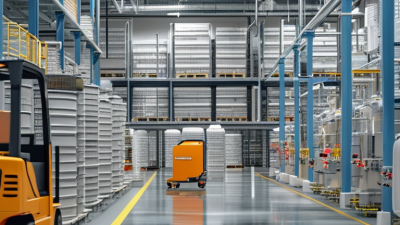
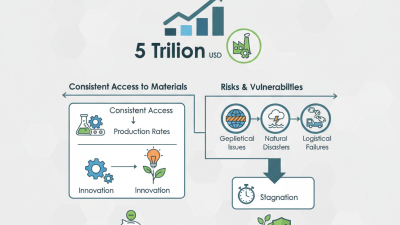
Top Chemical Industry Suppliers for Global Buyers

Choosing the right chemical industry supplier can shape product quality, operating costs, and long-term business resilience. Global buyers need more than a competitive quotation. They need evidence of consistent manufacturing, transparent documentation, secure packaging, and dependable delivery across borders.

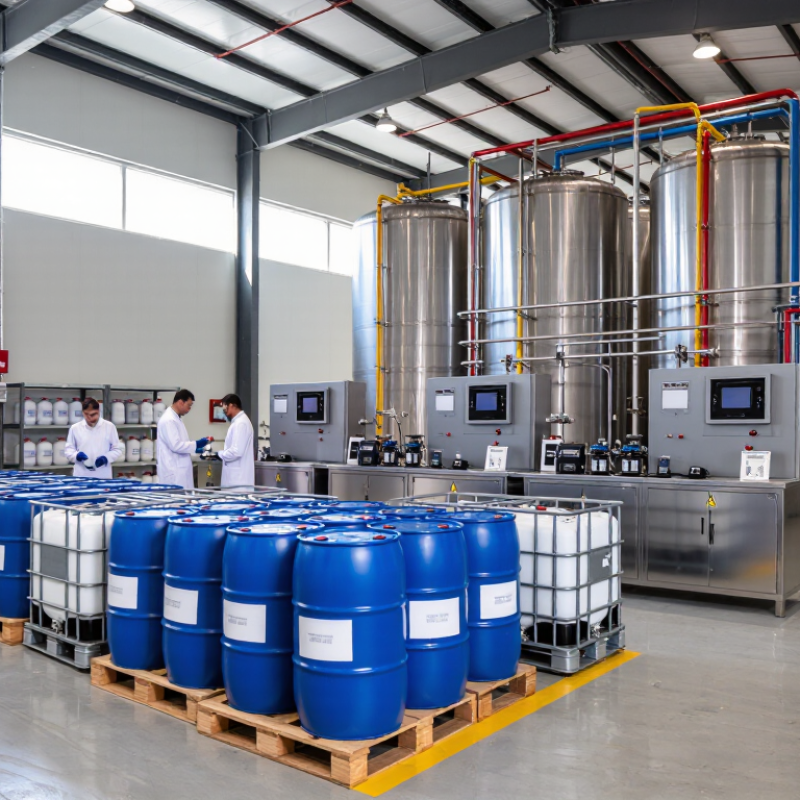
A credible supplier should provide current technical data sheets, safety data sheets, batch records, and clear quality specifications. Buyers should also examine production capacity, testing procedures, storage conditions, and emergency communication. A factory visit can reveal practical details that brochures often hide: clean filling areas, labeled drums, calibrated instruments, and organized warehouses. Certifications may support trust, but they should never replace direct verification.

Paul Anastas and John Warner wrote, “It is better to prevent waste than to treat or clean up waste after it has been created.” This principle remains relevant when evaluating responsible suppliers. Companies that reduce waste, monitor emissions, improve energy efficiency, and design safer processes can offer stronger long-term value. Sustainability should be measurable, not decorative language.

No supplier is perfect. That matters. Buyers may still face delayed shipments, changing raw material prices, or incomplete information. A careful evaluation should therefore include backup suppliers, realistic lead times, quality agreements, and regular performance reviews. Local regulations and import requirements also deserve professional checking before any purchase commitment.

This guide examines leading chemical industry suppliers for global buyers. It focuses on reliability, technical competence, product consistency, responsible operations, and practical evidence. The goal is not to promote the largest names automatically. It is to help buyers choose partners they can verify, communicate with, and trust over time.
Top Chemical Industry Suppliers for Global Buyers

Defining Chemical Industry Suppliers and Their Global Market Role

Chemical industry suppliers connect manufacturers, laboratories, and distributors across international markets. They provide materials, technical documentation, packaging, and logistics support. Their role extends beyond selling products. Reliable suppliers help buyers manage quality, safety, delivery schedules, and changing regional requirements.

Experienced suppliers usually provide safety data sheets, certificates of analysis, batch records, and clear storage instructions. They may also support audits and answer technical questions from procurement teams. A shipment arriving on time is important, but consistent specifications matter more. One delayed document can hold a container at customs. I have seen this overlooked. It creates costs that were avoidable. Suppliers should therefore maintain traceability from production through final delivery, while buyers should verify claims independently.

Tips: Ask for recent test reports, production capacity, export experience, and written quality procedures. Check whether packaging suits long-distance transport and local climate conditions. Compare response times, not only prices. A low quotation may exclude testing, insurance, or special handling. Buyers should also confirm applicable regulations before placing an order. Small gaps in communication can become serious operational problems.

Key Product Categories Offered by International Chemical Suppliers

Top Chemical Industry Suppliers for Global Buyers

International chemical suppliers typically organize their catalogs by function, purity, and industry use. Common categories include industrial solvents, acids, alkalis, polymers, surfactants, pigments, and specialty additives. Each category serves a different production problem. Solvents support cleaning, extraction, and coating processes. Polymers improve strength, flexibility, or heat resistance. Surfactants help liquids mix and spread. Small details matter. A food-grade ingredient needs tighter impurity control than a general industrial material. Buyers should compare concentration, packaging, shelf life, and batch consistency, not only the product name.

Water-treatment chemicals form another major category. Coagulants, pH adjusters, disinfecting agents, and filtration media help manage municipal and industrial water systems. Laboratory suppliers usually offer analytical reagents, reference standards, buffers, and prepared solutions. These products demand clear purity grades and storage instructions. Temperature control can matter during transit. In my sourcing experience, a damaged label creates more risk than a delayed email. Reliable suppliers provide a current safety data sheet, certificate of analysis, technical data, and traceable lot information. They should also explain whether a material suits the intended process.

Specialty categories may include electronic-grade materials, coating ingredients, adhesives, and performance modifiers. Their value often depends on technical support rather than volume alone. A supplier should answer practical questions about compatibility, moisture sensitivity, and handling. Regulatory documents must match the destination market. Requirements can differ across regions. I have seen purchasing teams accept a lower quote before checking minimum order quantities and delivery terms. That mistake is easy to repeat. A pilot sample, independent testing, and a written specification can expose problems early. Still, no checklist replaces direct communication with qualified technical staff.

How to Evaluate Supplier Quality, Compliance, and Production Capacity

Top Chemical Industry Suppliers for Global Buyers
How to Evaluate Supplier Quality, Compliance, and Production Capacity

A credible chemical supplier should show more than an attractive specification sheet. Request recent certificates, batch records, analytical methods, and retained-sample procedures. ISO’s latest Survey reports more than 1.2 million ISO 9001 certificates worldwide, but certification alone proves limited operational depth. Verify the certificate scope, audit date, production site, and corrective-action history. A polished audit can still miss a weak night shift.

Compliance needs evidence at product level. Review safety data sheets, hazard classifications, transport documents, and market-specific registrations. Confirm that the legal manufacturer matches the exporting entity. Ask how changes in raw materials, process conditions, or packaging are communicated. The OECD’s due-diligence guidance supports risk-based supplier checks, rather than relying on signatures. That principle matters. Paperwork can lag behind reality.

Production capacity should be tested against your forecast. Request monthly output, validated lead times, minimum batch size, spare capacity, and backup utilities. Compare promised volumes with equipment, staffing, storage, and quality-release timelines. UNCTAD’s Review of Maritime Transport notes that shipping carries over 80% of global merchandise trade by volume, making logistics resilience essential. Examine port options, inventory buffers, and contingency routes. I would also run a small trial order before approving full-scale sourcing. It may feel slow, but one failed shipment can expose assumptions that a factory tour never reveals.

Logistics, Trade Requirements, and Risk Management for Global Buyers

For global chemical buyers, supplier selection begins with logistics, not price. UNCTAD’s Review of Maritime Transport 2024 reports that over 80% of world merchandise trade moves by sea. A delayed container can therefore affect production schedules, storage costs, and customer commitments. Experienced buyers request shipping lanes, port alternatives, temperature limits, and emergency contacts before signing contracts. Small details matter.

Trade documents must match the cargo exactly. Buyers should verify the Harmonized System code, commercial invoice, packing list, certificate of analysis, and safety data sheet. The United Nations Globally Harmonized System supports consistent hazard communication, but local implementation differs. Destination authorities may also require registration, labeling, import permits, or language-specific documents. A supplier’s compliance team should confirm these requirements in writing. Assumptions create expensive gaps.

Risk management needs evidence. The World Trade Organization reported a 1.2% decline in global merchandise trade volume during 2023, showing how quickly demand and transport conditions can shift. Buyers can reduce exposure through dual sourcing, realistic lead times, cargo insurance, and batch-level traceability. Payment milestones tied to inspection records may protect both parties. No checklist is flawless. I would still review origin documents, carrier reliability, and port congestion every quarter, because yesterday’s route may not be tomorrow’s safe route.

Emerging Trends Shaping the Global Chemical Supply Network

Top Chemical Industry Suppliers for Global Buyers

Global chemical buyers are no longer choosing suppliers on price alone. Resilience, traceability, and lower-carbon production now shape qualification decisions. UNEP’s Global Chemicals Outlook II projects global chemical production will double between 2017 and 2030. This expansion will pressure ports, feedstocks, storage capacity, and technical talent. Strong suppliers are building regional inventory, dual sourcing, and digital batch records. A buyer should be able to trace a drum from production line to warehouse shelf.

Energy exposure is also changing supplier selection. The International Energy Agency reports that petrochemicals could drive more than half of oil-demand growth through 2050. This makes feedstock flexibility commercially important. Suppliers using recycled inputs, bio-based materials, or lower-emission electricity may reduce future volatility. However, claims require evidence. An audited emissions boundary matters more than a polished sustainability webpage.

Circularity is becoming operational, not decorative. The OECD’s Global Plastics Outlook estimates annual plastic waste could rise from 353 million tonnes in 2019 to 1,014 million tonnes by 2060 without stronger action. Buyers will increasingly request recycled-content verification and end-of-life data. In practice, this may mean checking certificates, testing samples, and reviewing transport routes. The process is slower. It is also safer. Data can still mislead when suppliers measure different boundaries. I would challenge impressive figures, especially when freight emissions disappear from the calculation.

Top Chemical Industry Suppliers for Global Buyers: Emerging Trends Shaping the Global Chemical Supply Network

China remains the largest regional chemical market, while North America, Europe, and other Asian markets continue to support a diversified global supply network. The distribution highlights the growing importance of regional production hubs, supply-chain diversification, and proximity to downstream manufacturing demand.

Data source: Cefic, Chemdata International, 2024. Regional shares represent estimated percentages of global chemical sales in 2023.

Contact Us

We offer a just-in-time delivery solution supplying the highest quality materials to our customers. Get in touch today and learn how we can help your company.

Get in touch