10 Tips for Choosing Chemical Industry Suppliers
Chemical industry suppliers influence more than purchase price. Their materials can affect product consistency, plant schedules, worker safety, and customer trust. A delayed drum of solvent or an inconsistent resin batch can disrupt an entire production run. Small details matter.
Choosing a supplier takes more than comparing quotes. Buyers should review technical specifications, quality records, production capacity, delivery performance, and communication practices. Ask how batches are traced, how changes are reported, and what happens when a shipment misses its agreed window. Request current documentation and verify that it matches the material being offered. Good answers should be specific, not polished promises. Still, paperwork alone cannot reveal every weakness. A site visit or sample evaluation may expose gaps that a sales call does not.
This guide presents ten practical tips for evaluating chemical industry suppliers with care. It considers reliability, technical support, transparent pricing, and long-term fit while keeping operational realities in view. One supplier may excel at rapid delivery but offer limited troubleshooting. Another may provide strong technical guidance yet struggle with peak-season capacity. There is no perfect checklist. The best decision depends on the material, process, and risk tolerance involved. Buyers should document their criteria, involve relevant technical and procurement teams, and review supplier performance over time. Even experienced teams can overlook a detail. That is worth admitting. A careful selection process cannot remove every uncertainty, but it can make risks visible before they become costly problems.
Define Your Chemical Supply Requirements and Risk Priorities
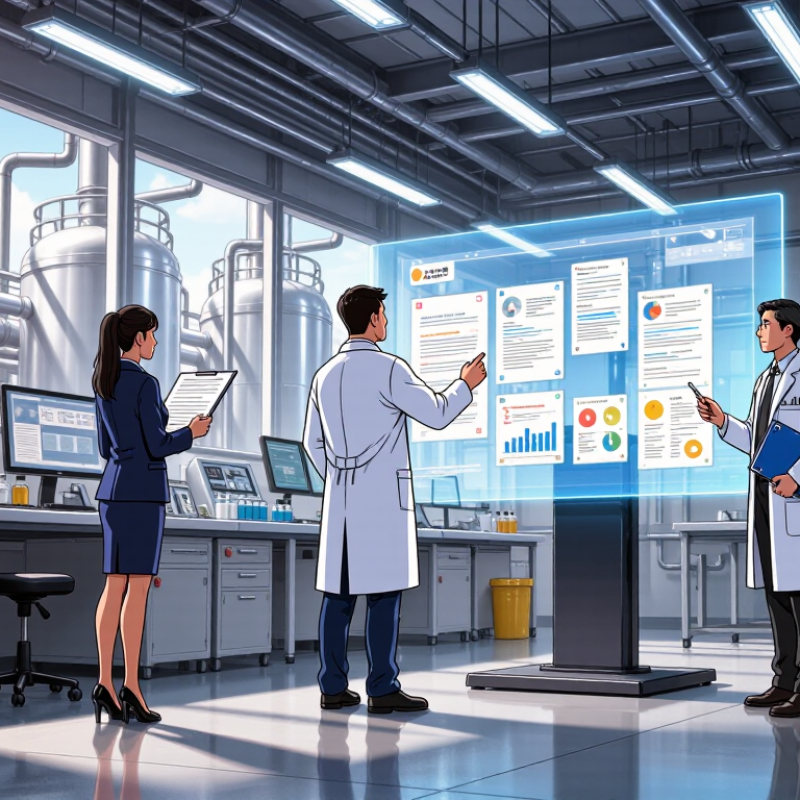
Before comparing chemical suppliers, write down what your operation actually consumes. Record each substance’s grade, monthly volume, packaging format, delivery frequency, and acceptable substitution range. A plant using 200-liter drums has different handling needs from a laboratory ordering small bottles. Be specific.
Then rank the consequences of a missed or inconsistent delivery. Could production stop, a batch fail, or storage conditions exceed safe limits? Note required lead times, shelf-life limits, temperature controls, and whether your site can hold backup stock. Separate critical needs from preferences; otherwise, every item can look urgent. Risk is rarely one-dimensional.
A lower price may mean longer transit, while a tighter specification can narrow available options. Identify tolerable risks and those needing documented controls, including lot traceability, current safety data, and quality-deviation reporting. Have operations, purchasing, and safety staff review the list together. They may disagree, and that is useful. Unresolved assumptions often surface after a shipment is late. Check unloading access and weekend receiving before supplier discussions begin. Use the requirements as a consistent basis for comparing responses, and revisit them when process needs change.
Define Your Chemical Supply Requirements and Risk Priorities
Example priority ratings for supplier selection
Ratings are illustrative, not industry benchmarks. Score each requirement from 1 (low priority) to 5 (critical), then adjust the priorities to reflect your chemicals, processes, and risk controls.
Verify Regulatory Compliance, Certifications, and Safety Practices
A supplier’s polished website is not proof of compliance. Ask for current permits, relevant quality certifications, and written evidence that applies to the specific facility producing your material. Check issuing bodies, expiration dates, site addresses, and the scope of each certificate. A document for one location may not cover another. Verify key claims directly with the issuer when practical.
Look closely. Request recent safety audit findings, corrective-action records, and training logs for staff who handle or store chemicals. During a site visit, notice whether labels are legible, containers are closed, and incompatible materials are separated. Ask how the supplier manages spills, equipment checks, and changes to a product’s composition. Review a current safety data sheet, then compare its details with shipping documents and sample labels. Mismatches deserve a clear explanation.
Keep records of what you checked and when. Requirements can differ by region and product, so confirm applicable rules with qualified compliance staff rather than relying on a supplier’s assurances. One awkward truth: a certificate can be valid while daily practices still fall short. Ask operators how procedures work on a busy shift, not only how they appear in a manual. The answer may reveal gaps worth investigating.
Compare Pricing, Supply Reliability, Logistics, and Service
Choosing chemical suppliers is not just a price exercise. Compare delivered cost, including packaging, minimum orders, and freight charges. A low unit price may lose its appeal when small orders incur extra fees. Ask for written quotes with matching product specifications and delivery terms. Small details matter.
Supply reliability deserves equal attention. Review typical lead times and ask how delays are communicated. Check whether the supplier can provide batch documentation and traceability for each shipment. Discuss storage and transport requirements, especially when temperature control or careful handling is needed. A missed delivery can disrupt production, even when the product itself meets specifications. Ask about backup inventory, but verify what “available” means in practice.
Logistics and service reveal how a supplier works under pressure. Confirm delivery windows, unloading arrangements, and who handles shipment problems. Notice how clearly representatives answer technical questions; vague replies are worth following up on. Ask how complaints are logged and how quickly corrective actions are shared. Keep records of quotes, delivery performance, and service responses. No supplier is flawless. A spreadsheet can make comparisons look simpler than they are, so review the evidence with the people who receive, store, and use the materials.
Assess Supplier Risks and Establish Ongoing Performance Reviews
A chemical supplier’s risk profile can shift with a feedstock shortage, a plant shutdown, or a change in production methods. Review more than price and delivery history. Check lot traceability, certificate-of-analysis accuracy, change-control notices, storage conditions, and backup production capacity. Ask for evidence, such as recent audit findings and documented contingency plans. Small signals matter. A late batch with incomplete records may reveal a process weakness before it becomes a supply interruption.
McKinsey Global Institute’s 2020 report, “Risk, Resilience, and Rebalancing in Global Value Chains,” estimates that companies can expect disruptions lasting a month or longer about every 3.7 years. Use that risk as a reason to assess critical suppliers regularly, not just during onboarding. Set a review cadence based on material criticality, then track practical measures: on-time delivery, rejected lots, corrective-action closure time, and response speed. Agree on thresholds and escalation steps before problems occur.
Risk reviews should also cover digital access and business continuity. In the 2024 Allianz Risk Barometer, respondents ranked cyber incidents and business interruption among the leading business risks, at 36% and 31%, respectively. These are broad business-risk findings, not chemical-sector failure rates, but they support checking how suppliers protect shared data and maintain operations. A scorecard cannot show everything. Speak with quality and operations teams, and investigate repeated exceptions, even when monthly averages look acceptable.