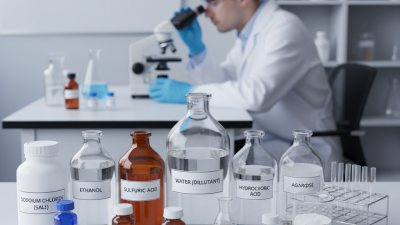
What Are Laboratory Chemicals Used For?

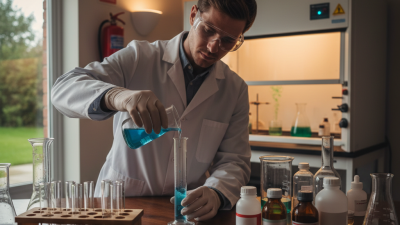
Laboratory chemicals support the careful work behind medicine, food testing, environmental monitoring, and industrial research. They help scientists identify substances, measure reactions, calibrate instruments, and develop safer materials. A clear liquid in a small glass vial may reveal contamination in drinking water. A powder may help confirm the purity of a pharmaceutical ingredient. These applications make laboratory chemicals practical tools, not merely items stored on shelves.

Their value depends on quality, traceability, and disciplined handling. Analytical-grade reagents can improve measurement accuracy. Buffers can keep experiments stable. Solvents can separate compounds during testing. Certified reference materials can check whether an instrument reports reliable results. In accredited laboratories, staff often record batch numbers, expiration dates, storage temperatures, and preparation details. Safety data sheets guide labeling, protective equipment, ventilation, and disposal. Small errors matter. An unlabeled bottle can compromise an entire test.

Chemist Linus Pauling once said, “The way to get good ideas is to get lots of ideas and throw the bad ones away.” His observation also suits laboratory practice. Researchers test assumptions, compare results, and reject weak evidence. Yet chemicals do not create reliable conclusions by themselves. Skilled professionals must select suitable grades, follow validated methods, and review unexpected findings. Sometimes the problem is not the reagent. It may be contamination, poor calibration, or human impatience. This article examines what laboratory chemicals are used for, how professionals choose them, and why careful management remains essential. The discussion will stay practical, evidence-based, and safety-conscious. Mistakes happen. Responsible systems reduce their impact.
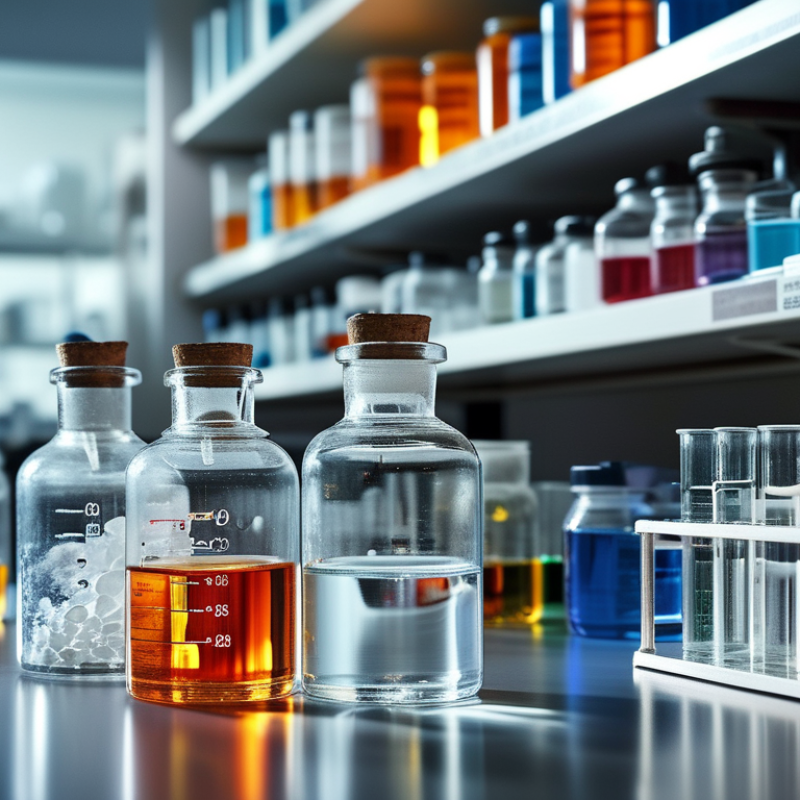
What Are Laboratory Chemicals Used For?

What Are Laboratory Chemicals?

Laboratory chemicals are controlled substances used to observe, measure, separate, or change materials under defined conditions. They include solvents, acids, bases, salts, buffers, indicators, stains, and certified reference materials. Each has a specific purity, concentration, and intended use. A solvent may dissolve a sample, while a buffer keeps pH stable during an assay. Even water can be a critical reagent. It is not always interchangeable.

In laboratories, these chemicals support medical testing, environmental analysis, food inspection, materials research, and education. Technicians use measured volumes to prepare solutions, calibrate instruments, identify compounds, or compare reactions.

A clear liquid in a glass vial may still require careful handling. Its label should state identity, concentration, hazards, storage conditions, and expiry information. Safety data sheets provide additional guidance, but practical judgment remains essential.

Good practice begins with training, clean tools, accurate records, suitable protective equipment, and compatible storage. Keep acids away from incompatible materials, and use ventilation when vapors may form. Waste must enter the correct labeled container, never an improvised drain. Small mistakes can distort results. A tidy bench does not guarantee a reliable experiment. Rechecking calculations and controls is sometimes slower, yet it protects both data and people. Chemical quality can also change after opening, so dates and appearance deserve attention.

Main Categories of Laboratory Chemicals

What Are Laboratory Chemicals Used For?

Main Categories of Laboratory Chemicals

Laboratory chemicals support measurement, testing, cleaning, preservation, and controlled reactions. Their purpose depends on purity, concentration, and the procedure being followed. In daily laboratory work, reagents help identify substances or produce measurable chemical changes. A color change in a test tube can indicate acidity, oxidation, or the presence of a specific compound.

Solvents dissolve samples and help prepare solutions. Water, alcohol-based solvents, and other approved liquids may carry chemicals through a procedure. Acids and bases adjust pH, break down materials, or support neutralization tests. Buffers keep pH stable when small changes could affect results. Indicators provide visible signals, often through a clear color shift. These categories seem simple, but small errors matter. An incorrectly prepared buffer can alter an entire experiment.

Reference standards and calibration solutions help analysts check instrument accuracy. Stains make cells, tissues, or particles easier to observe under a microscope. Culture media support controlled biological testing when suitable safety procedures are followed. Cleaning agents remove residues from glassware and work surfaces, while drying agents reduce unwanted moisture. Every container should show its name, concentration, hazard information, and preparation date. In practice, labels are not always as clear as expected. Careful records, appropriate protective equipment, ventilation, and verified procedures make chemical use more reliable. Sometimes, slowing down is the most professional choice.

What Are Laboratory Chemicals Used For? - Main Categories of Laboratory Chemicals
Category Typical Examples Primary Laboratory Uses Common Applications Key Handling or Storage Considerations General Risk Level
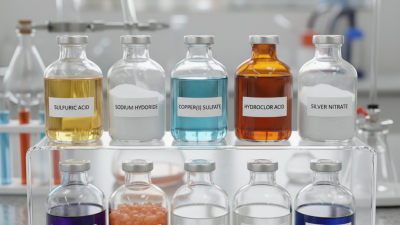
Acids Hydrochloric acid, sulfuric acid, nitric acid, acetic acid Adjusting pH, dissolving materials, digestion procedures, acid–base titrations, and chemical synthesis Analytical chemistry, environmental testing, metallurgy, and sample preparation Use suitable gloves, eye protection, and ventilation. Add acid to water slowly when dilution is required. Store strong acids in compatible acid cabinets. High
Bases and Alkalis Sodium hydroxide, potassium hydroxide, ammonia solution, sodium carbonate Neutralizing acids, increasing pH, hydrolysis reactions, cleaning, and buffer preparation Biochemistry, water analysis, manufacturing processes, and titration experiments Protect skin and eyes from corrosive solutions. Keep containers tightly closed and separate incompatible acids. High
Solvents Water, ethanol, methanol, acetone, hexane, ethyl acetate Dissolving compounds, extraction, recrystallization, chromatography, cleaning, and reaction media Organic chemistry, pharmaceutical analysis, materials research, and sample preparation Many organic solvents are flammable or toxic. Use a fume hood where required and store flammable liquids in approved cabinets. Moderate to High
Salts and Ionic Compounds Sodium chloride, potassium permanganate, copper sulfate, calcium chloride Preparing solutions, controlling ionic strength, precipitation reactions, drying, and calibration procedures Analytical chemistry, electrochemistry, microbiology, and water treatment studies Keep moisture-sensitive materials dry. Check compatibility because some salts are oxidizing, toxic, or reactive with acids. Low to Moderate
Buffers Phosphate buffers, acetate buffers, borate buffers, citrate buffers Maintaining a stable pH during reactions, assays, biological experiments, and instrument calibration Biochemistry, molecular biology, cell culture, pharmaceutical testing, and pH meter calibration Use clean containers and accurate measurements. Label the concentration, pH, preparation date, and expiry or review date. Low
Indicators and Dyes Phenolphthalein, methyl orange, bromothymol blue, iodine solutions Showing pH changes, detecting reaction endpoints, staining samples, and visualizing substances Acid–base titrations, microscopy, microbiology, and qualitative analysis Some indicators can irritate the skin or contain hazardous solvents. Avoid ingestion and dispose of dye-containing waste properly. Low to Moderate
Oxidizing and Reducing Agents Hydrogen peroxide, potassium permanganate, sodium thiosulfate, sodium borohydride Redox reactions, disinfection, bleaching, analytical testing, and chemical synthesis Environmental analysis, inorganic chemistry, surface treatment, and laboratory demonstrations Keep oxidizers away from flammable or organic materials. Store reducing agents separately when incompatibility is possible. High
reagents for Qualitative Analysis Silver nitrate, barium chloride, ammonium thiocyanate, iodine reagent Identifying ions, functional groups, precipitates, color changes, and other chemical properties Classical analytical chemistry, educational laboratories, and unknown-sample identification Review toxicity and light sensitivity before use. Some reagents require dark, cool storage and controlled waste collection. Moderate to High
Standards and Reference Materials Certified metal-ion solutions, analytical-grade salts, calibration gases, reference pH solutions Instrument calibration, method validation, quality control, and measurement accuracy checks Clinical testing, environmental monitoring, food analysis, and industrial quality assurance Follow the certificate instructions, maintain traceability, record lot information, and observe specified temperature and light conditions. Low to Moderate
Biochemical Reagents Enzymes, amino acids, nucleotides, detergents, and protein-binding reagents Detecting biomolecules, performing enzymatic reactions, isolating proteins, and studying cellular processes Molecular biology, genetics, clinical research, biotechnology, and life-science testing Many require refrigerated or frozen storage. Avoid repeated freeze–thaw cycles and use sterile techniques where applicable. Moderate
Gases Oxygen, nitrogen, carbon dioxide, hydrogen, helium Creating controlled atmospheres, supporting combustion studies, inerting systems, chromatography, and instrument operation Materials research, gas chromatography, cell culture, welding research, and chemical synthesis Secure cylinders upright, use the correct regulators, check for leaks, and provide adequate ventilation. Treat compressed gases as stored-energy hazards. High
Flammable Chemicals Diethyl ether, ethanol, acetone, toluene, and other low-flash-point liquids Solvent extraction, cleaning, synthesis, coating preparation, and sample processing Organic chemistry, materials science, pharmaceutical research, and laboratory maintenance Keep away from ignition sources and heat. Use grounding and bonding where appropriate, and store in approved flammable-storage cabinets. High
Cleaning and Decontamination Chemicals Detergent solutions, dilute bleach, hydrogen peroxide, and laboratory-grade disinfectants Removing residues, disinfecting surfaces, decontaminating equipment, and controlling biological or chemical contamination Clinical laboratories, microbiology, food testing, and general laboratory housekeeping Never mix incompatible cleaning agents, especially chlorine-containing products with acids or ammonia. Follow contact-time and ventilation requirements. Moderate

How Laboratory Chemicals Are Used in Scientific Research

What Are Laboratory Chemicals Used For?

How Laboratory Chemicals Are Used in Scientific Research

Laboratory chemicals turn questions into measurable evidence. Researchers use solvents to dissolve samples, buffers to control acidity, and indicators to reveal chemical changes. In molecular biology, carefully prepared reagents help isolate DNA, measure proteins, and test cellular responses. In materials science, acids, salts, and catalysts help create films, coatings, and nanoparticles with controlled properties.

Precision matters. A few microliters can change an entire result. According to the OECD Main Science and Technology Indicators, OECD countries invested about 2.7% of their combined GDP in research and development in 2022. This investment supports laboratories where chemical quality, traceability, and repeatable procedures are essential. The UNESCO Science Report recorded global R&D intensity at about 1.79% of GDP in 2018, showing the broad scale of research activity worldwide.

Good science is not only about obtaining a result. It is about knowing how that result was produced. Analysts check concentration, purity, storage temperature, and expiry dates before testing. They also record lot details and instrument conditions. That assumption is risky. Even high-purity chemicals cannot repair poor sampling or careless contamination control. Results may look convincing while remaining incomplete. This is why laboratories follow documented methods, validated controls, and recognized competence requirements such as ISO/IEC 17025. Careful chemical use makes findings easier to compare, repeat, and question.

Laboratory Chemicals in Medicine, Industry, and Education

Laboratory chemicals support medicine by helping researchers identify disease, test treatments, and monitor patient health. In a clinical laboratory, reagents can reveal glucose levels, hormone changes, or signs of infection. Small volumes matter. A single misplaced drop may affect an entire result. For this reason, trained staff follow written procedures, check expiration dates, and record sample details carefully. Results also require professional review, not blind trust in an instrument.

Industry uses laboratory chemicals to develop materials, improve manufacturing, and control product quality. Engineers may test water purity, measure acidity, or examine how a coating reacts to heat. These tests can reduce waste and detect defects before products reach customers. Safe handling includes suitable ventilation, protective equipment, clear labels, and approved waste disposal. Conditions vary between workplaces, so a procedure copied from another laboratory may not be reliable.

Education gives students a practical way to understand chemistry, biology, and environmental science. In a supervised classroom, learners can observe color changes, crystal formation, or the effect of temperature on a reaction. The details make theory memorable. Mistakes still happen. A cloudy solution may come from contamination, poor measurement, or an unclear instruction. That uncertainty is useful when students investigate it carefully. Teachers should select lower-risk materials where possible and explain why every safety step matters. Clear records, honest observations, and respectful laboratory habits build skills that remain valuable beyond the classroom.

Safe Handling, Storage, and Disposal of Laboratory Chemicals

Laboratory chemicals support research, medical testing, education, manufacturing, and quality control. They may help identify substances, measure reactions, preserve samples, or clean equipment. Their value depends on controlled use. A familiar liquid can still irritate skin or release harmful vapors when mixed incorrectly.

Safe handling begins with training, clear labels, and the correct safety data sheet. Wear suitable gloves, eye protection, and a lab coat. Use ventilation when vapors or dust may form. Keep containers closed between uses, and never return unused chemicals to their original bottles. Small mistakes matter. A label can look clear until moisture damages it.

Storage requires compatibility, not just alphabetical order. Keep acids away from bases, oxidizers away from flammable materials, and reactive substances away from heat or sunlight. Inspect containers for corrosion, leaks, or swollen lids. Dispose of waste through labeled, approved containers and follow site procedures and local requirements. Do not pour laboratory waste into a drain unless an authorized procedure specifically allows it. Disposal rules vary, and assumptions can create serious risks.

Tips: Read the label before opening. Use secondary containment for liquids. Keep spill materials accessible. Record damaged containers promptly. If a chemical’s identity or condition is uncertain, stop and ask a trained supervisor. Even careful teams miss details, so periodic storage checks and honest reporting should remain part of everyday laboratory work.

Contact Us

We offer a just-in-time delivery solution supplying the highest quality materials to our customers. Get in touch today and learn how we can help your company.

Get in touch