10 Best Chemical Manufacturing Companies Worldwide?

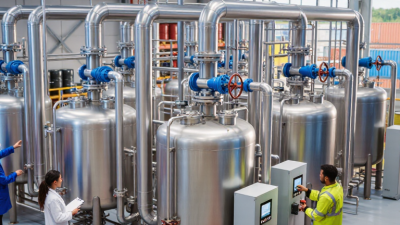
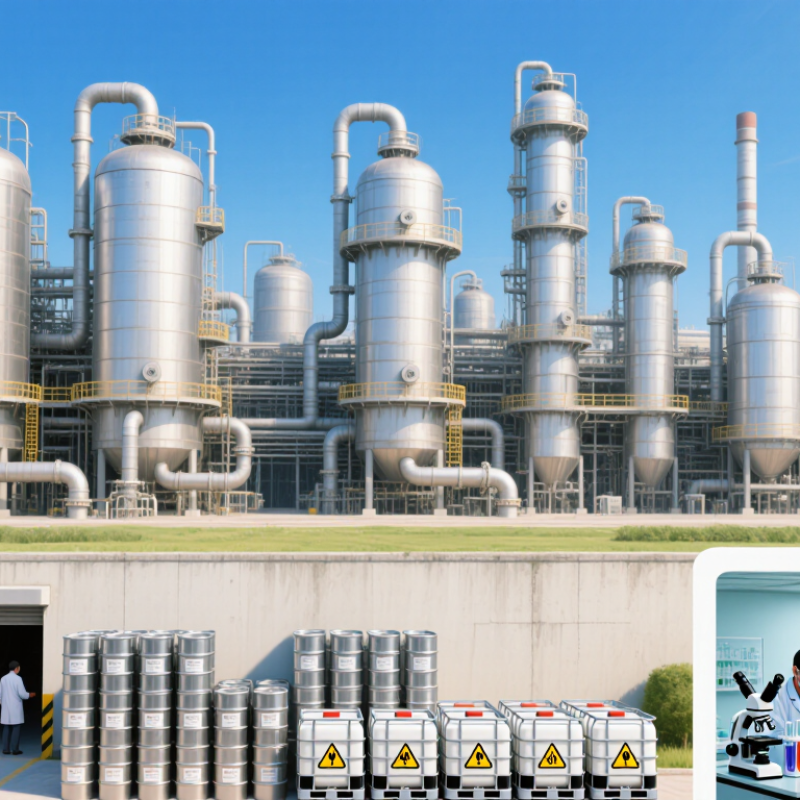
Choosing the 10 Best Chemical Manufacturing Companies Worldwide requires more than comparing revenue or factory size. A credible review should examine product quality, research strength, production capacity, safety performance, and environmental responsibility. It should also consider how companies serve pharmaceuticals, agriculture, construction, electronics, and everyday consumer goods. Behind every shipment are stainless-steel reactors, carefully labeled drums, laboratory tests, and strict handling procedures. These details reveal operational discipline better than promotional claims.

This guide evaluates leading chemical manufacturing businesses through publicly available evidence, including technical capabilities, global reach, certifications, innovation, and sustainability reporting. Independent reputation matters too. A company may operate advanced facilities but still face questions about emissions, transparency, or supply-chain resilience. No ranking is flawless. Data changes, regional standards differ, and some private companies disclose very little. That uncertainty deserves attention.

The selected companies represent different strengths. Some lead in specialty chemicals, while others focus on polymers, coatings, industrial gases, or agricultural inputs. Their scale varies widely. Their responsibilities do not. Reliable manufacturers must protect workers, nearby communities, customers, and the environment. They should manage wastewater, reduce energy use, and communicate product risks clearly. Readers should treat this list as a practical starting point, not an absolute verdict. The strongest company for one industry may be unsuitable for another. Careful buyers still need to verify specifications, compliance records, delivery performance, and regional support before making a decision.
10 Best Chemical Manufacturing Companies Worldwide?

Definition and Criteria for Ranking Leading Chemical Manufacturers

A leading chemical manufacturer is not simply the largest producer by annual revenue. It should combine reliable production, strong research capability, responsible operations, and consistent product quality. Scale matters, but it can mislead. A company may operate many plants while struggling with delays, waste, or uneven batch performance.

A credible ranking should use measurable criteria across several years. These criteria include production capacity, defect rates, delivery reliability, financial resilience, and investment in safer, more efficient processes. Environmental performance also requires careful review. Useful evidence includes verified emissions data, energy use per tonne, water consumption, and waste reduction. Safety records, employee training, emergency planning, and regulatory compliance should receive significant weight. Customer feedback and independent audits can reveal practical weaknesses that annual reports may not show.

The top ten list should compare companies fairly across regions and product categories. A specialist producer may outperform a larger rival in technical service or quality control. Public data can be incomplete, delayed, or difficult to compare. That is a real limitation. Rankings should explain their sources, scoring methods, and missing evidence. They should also separate verified facts from expert judgment. The results remain provisional. Market conditions change, and one poor safety year may deserve more attention than impressive sales growth. A careful ranking is transparent, repeatable, and willing to revise its conclusions.

Global Market Overview of the Chemical Manufacturing Industry

10 Best Chemical Manufacturing Companies Worldwide?

The global chemical manufacturing industry is broad, regional, and closely tied to energy costs. Leading producers supply polymers, coatings, fertilizers, industrial gases, and specialty materials. Their performance depends on reliable plants, skilled engineers, and consistent quality control. Demand is growing in construction, healthcare, electronics, agriculture, and electric mobility. Asia remains a major production center, while Europe and North America emphasize advanced materials, efficiency, and stricter environmental standards. Trade routes also matter. A port delay can affect factories thousands of kilometers away.

The “best” companies should not be judged by revenue alone. A practical review should examine production capacity, research investment, safety records, supply resilience, and transparent reporting. Strong manufacturers usually operate several regional facilities. This reduces dependence on one market. They also track emissions, water use, waste, and worker training. However, public sustainability claims can be difficult to compare. Reporting methods are not always consistent. That deserves careful review.

Tips: Compare audited data, not promotional language. Check product certifications and facility locations. Study customer industries and delivery performance. Ask whether a company can maintain supply during energy shocks or transport disruptions. Local regulation matters too. A low-cost supplier may create higher long-term risks if quality systems are weak. In my view, the strongest global performers combine technical depth with cautious planning, though no ranking remains perfect for every buyer or region.

Profiles of the 10 Best Chemical Manufacturing Companies Worldwide

The 10 Best Chemical Manufacturing Companies Worldwide

Profiles of the 10 Best Chemical Manufacturing Companies Worldwide should begin with clear evaluation criteria. “Best” depends on safety records, product consistency, research strength, and environmental performance. A large production site is not automatically a reliable partner. The strongest companies usually combine modern laboratories with disciplined quality systems. Their facilities often include automated reactors, sealed transfer lines, and real-time testing equipment. These details reduce waste and help maintain stable results across different batches.

The leading profiles also reveal different areas of expertise. Some companies focus on polymers, coatings, agricultural inputs, or specialty materials. Others support electronics, healthcare, construction, and water treatment. Strong manufacturers publish technical data, manage traceability, and train workers regularly. Independent certifications can add credibility, but they do not replace careful investigation. I would examine recent performance, not only polished corporate claims. Past success can hide weak reporting or delayed improvements. That uncomfortable point deserves attention.

Tips: Compare safety indicators, research investment, delivery reliability, and customer support. Ask for current compliance documents and clear specifications. Visit a facility when possible. Review how the company handles recalls, spills, and quality disputes. Smaller suppliers may provide better communication, while global producers often offer broader capacity. Neither assumption is always correct. Look for evidence, ask precise questions, and record what remains uncertain.

Key Products, Technologies, and Industrial Applications

The ten strongest chemical manufacturers worldwide are usually judged by more than production volume. Their key products include polymers, specialty coatings, industrial gases, fertilizers, solvents, and advanced materials. These materials support food packaging, clean water systems, construction, electronics, transportation, and energy storage.

Their competitive advantage comes from precise technologies. Catalytic reactors improve yield, while continuous processing can reduce waste and temperature demand. Membrane separation, automated process control, and low-carbon electrolysis are also reshaping large facilities. In practical operations, reliable sensors monitor pressure, heat, emissions, and product quality around the clock. Strong manufacturers connect laboratory testing with full-scale production. That link matters. A small impurity can weaken a coating or damage a battery cell. However, no ranking remains permanent. Energy prices, regional regulations, supply disruptions, and unproven sustainability claims can quickly change industry leadership.

Tips: Compare lifecycle emissions, worker-safety records, recycling plans, and product consistency. Ask for independent data, not attractive promises. Visit production sites when possible. A clean brochure proves little. Review technical sheets, certification scope, and end-use performance before selecting a supplier. Even experienced buyers can overlook wastewater treatment or transport risks. Careful audits reveal those gaps.

Sustainability, Innovation, and Future Growth Prospects

The world’s ten leading chemical manufacturers are being judged by more than production volume. Their future depends on cleaner processes, safer workplaces, and measurable resource efficiency. Strong operators now track energy use, water consumption, emissions, and waste at each facility. This evidence makes sustainability claims more credible. It also exposes uncomfortable gaps.

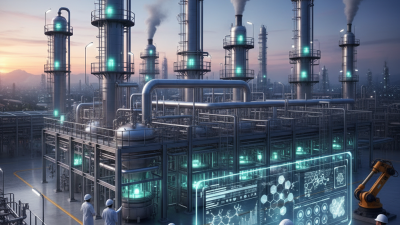
Innovation is moving from laboratory trials into daily plant operations. Electrified heating, low-carbon hydrogen, advanced catalysts, and circular feedstocks could reduce dependence on fossil resources. Digital sensors can detect leaks early and improve batch quality. Some manufacturers are designing products for easier recovery and reuse. The challenge is cost. Cleaner technology often requires new equipment, skilled workers, and patient investors.

Progress remains uneven. A facility may reduce emissions while relying on suppliers with weak environmental controls. Recycling targets can also look impressive without clear recovery data. Independent audits, transparent reporting, and safer chemical handling should guide future growth. Companies that train local technicians may build stronger operations than those chasing rapid expansion alone. Demand for sustainable materials will likely grow, but customers may resist higher prices. That tension needs honest communication, not polished promises. Growth should be tested against real community impacts, supply security, and long-term climate risks. Mistakes will happen. Responsible manufacturers should disclose them early and explain how operations will change.

10 Best Chemical Manufacturing Companies Worldwide — Sustainability, Innovation, and Future Growth Prospects

This sector-level benchmark shows the estimated global chemical market expansion without displaying company or brand-level data. The 2022 market value is based on a published industry estimate, while 2023–2030 values apply a reported 4.1% compound annual growth rate.

Sustainability remains closely linked to energy efficiency, low-carbon production, circular materials, and improved recycling systems. Innovation priorities include advanced materials, bio-based feedstocks, electrification, carbon capture, and digital manufacturing. The projected growth path indicates continued expansion, while the transition to lower-emission production will be a major differentiator for leading manufacturers.

Sources: Statista global chemical market revenue estimate for 2022; Grand View Research global chemical industry CAGR estimate for 2023–2030. Forecast values are calculated from the published 2022 baseline and CAGR.

Contact Us

We offer a just-in-time delivery solution supplying the highest quality materials to our customers. Get in touch today and learn how we can help your company.

Get in touch