How to Improve Efficiency in Chemical Manufacturing Processes?

In the competitive world of chemical manufacturing, efficiency is crucial. Dr. Emily T. Carter, a noted expert in the field, emphasizes that "streamlining processes can dramatically reduce costs and increase output." This insight resonates deeply, especially as manufacturers seek ways to optimize their operations.

Chemical manufacturing involves complex processes that can be resource-intensive. Companies constantly face challenges like waste management and energy consumption. It's vital to analyze every step in production to identify inefficiencies. By adopting innovative technologies, firms can shift strategies. Real-time monitoring tools can provide immediate feedback, enabling quick adjustments.

However, not all changes lead to immediate improvements. Some methods may seem promising but require adjustments. As the industry evolves, reflection is necessary. Learning from both successes and failures can pave the way for sustainable growth in chemical manufacturing.

How to Improve Efficiency in Chemical Manufacturing Processes?

Identifying Key Performance Indicators (KPIs) in Chemical Manufacturing

Key Performance Indicators (KPIs) play a crucial role in optimizing chemical manufacturing processes. These metrics help monitor efficiency, quality, and safety. Common KPIs in this industry include production yield, cycle time, and waste reduction. Each of these indicators provides insights into different areas of the manufacturing process.

For instance, tracking production yield allows for identifying inconsistencies in the output. If the yield fluctuates significantly, it may indicate issues in raw material quality or equipment malfunctions. Equally important is monitoring cycle time. A longer cycle time may suggest inefficiencies that need addressing. The company must regularly assess these metrics.

It is essential to remember that KPIs are not set in stone. They should be regularly reviewed and adjusted based on current goals and market conditions. For example, waste reduction targets might need updates as technologies advance. Companies often overlook the need for flexibility in KPI management, which can hinder long-term efficiency improvements. Continuous reflection on these indicators is vital for real progress.
Efficiency in Chemical Manufacturing Processes

Implementing Lean Manufacturing Principles for Process Optimization

Implementing lean manufacturing principles can significantly enhance efficiency in chemical manufacturing processes. By focusing on waste reduction, companies can streamline operations and maximize productivity. For example, identifying and eliminating non-value-added activities is essential. Teams can conduct value stream mapping to visualize the process and pinpoint areas needing improvement.

Another approach involves optimizing workspaces for better flow. This may seem simple, but cluttered areas can slow down operations. Organizing tools and creating designated areas for equipment reduces time wasted searching for items. Employees tend to feel more motivated in a clean environment, thus contributing to better performance.

However, lean manufacturing isn’t a one-size-fits-all solution. Each facility has unique challenges. Adopting new practices may face resistance from long-time employees. Continuous reflection on processes allows teams to adapt quickly and make necessary changes. Small adjustments can lead to higher efficiency over time. Embracing lean principles requires a commitment to ongoing improvement and personnel training.

Utilizing Advanced Technologies for Process Automation and Control

How to Improve Efficiency in Chemical Manufacturing Processes?

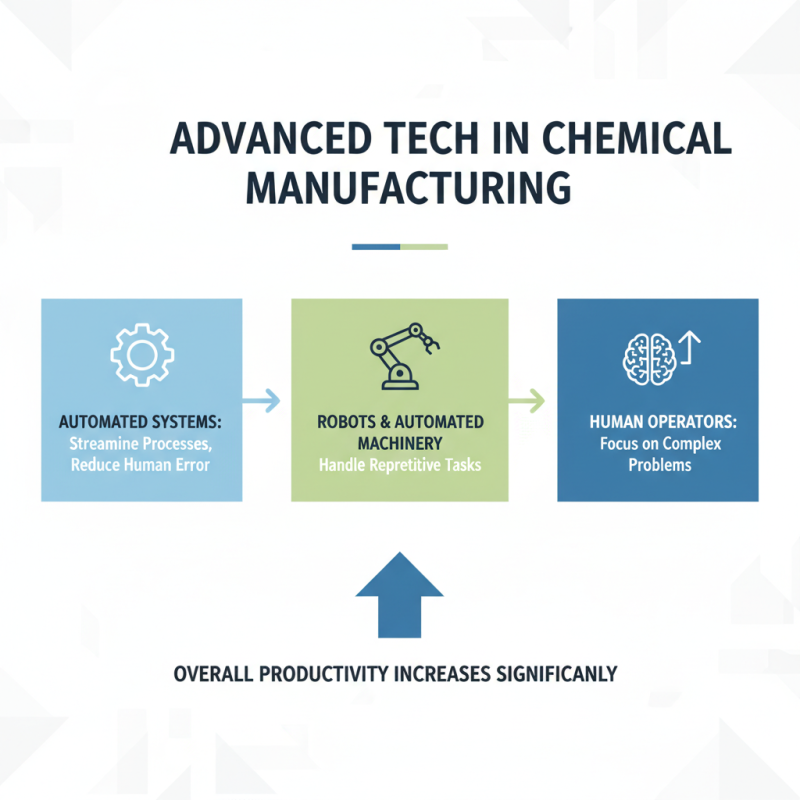
In today's chemical manufacturing, advanced technologies play a crucial role in improving efficiency. Automated systems can streamline processes, reducing human error. Robots and automated machinery can handle repetitive tasks, which allows human operators to focus on complex problems. When machines take over the mundane, the overall productivity increases significantly.

Control systems also provide real-time data, enabling swift decision-making. This data can help optimize parameters like temperature and pressure. However, data overload can occur if not managed wisely. Operators may struggle to interpret vast amounts of information. Regular training is essential to keep staff updated on technology changes.

Integration of Internet of Things (IoT) devices can enhance monitoring capabilities. These devices can track performance in real-time. Yet, the initial setup can be challenging. Connectivity issues may hinder data flow. Companies must invest time to troubleshoot these problems for smoother operations.

Enhancing Supply Chain Management to Improve Overall Efficiency

How to Improve Efficiency in Chemical Manufacturing Processes?

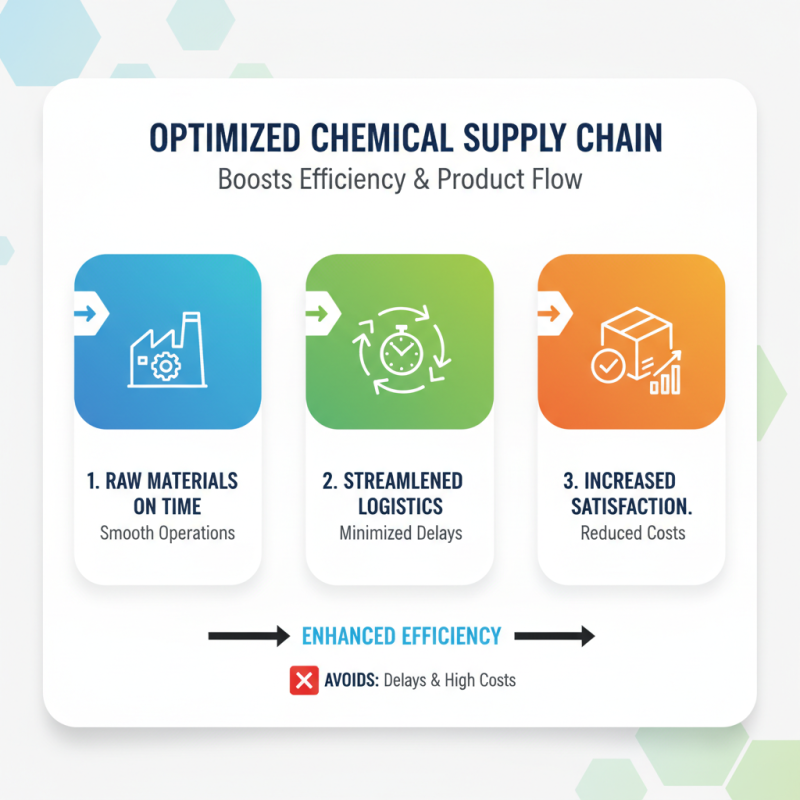
Effective supply chain management is crucial in enhancing efficiency within chemical manufacturing processes. A streamlined supply chain minimizes delays and improves product flow. This ensures that raw materials reach production facilities on time, keeping operations running smoothly. When the supply chain falters, delays can lead to increased costs and reduced customer satisfaction.

Tips: Establish strong partnerships with suppliers. Building good relationships can enhance communication, leading to timely deliveries. Regularly assess supplier performance and adapt strategies accordingly.

Inventory management is another key aspect. Optimize inventory levels to reduce costs while ensuring sufficient stock is available. Poor inventory practices can result in excess waste or shortages. Often, companies overstock materials to avoid running out, but this can tie up resources unnecessarily. A keen analysis of usage patterns can help improve accuracy.

Tips: Implement just-in-time inventory systems. This reduces holding costs and ensures fresh stock. Also, utilize inventory management software for better tracking and forecasting.

Training and Developing Workforce Skills for Increased Productivity

Training and developing workforce skills are vital for enhancing productivity in chemical manufacturing processes. A skilled workforce can efficiently operate complex machinery and manage processes that require precision. Investing time in staff training leads to fewer errors. This reduces downtime and waste.

Tips for improving workforce skills include creating tailored training programs. Involve employees in the design process. This makes training relevant and engaging. Conduct regular assessments to identify skill gaps. This provides opportunities for targeted learning. Short, focused workshops can cater to specific areas of improvement.

Encouraging a culture of continuous learning is also essential. Provide resources like online courses or workshops to stimulate interest. Motivated employees often seek additional training themselves. However, some may resist change. Address their concerns. Offer support to help them adapt. This not only builds confidence but also fosters a more skilled workforce. Emphasizing the importance of ongoing skill development leads to overall efficiency improvements.

How to Improve Efficiency in Chemical Manufacturing Processes? - Training and Developing Workforce Skills for Increased Productivity

Training Program Duration (Hours) Participants (per session) Cost ($) Expected Productivity Increase (%)
Safety Management 4 20 500 15
Lean Manufacturing Techniques 8 15 1200 25
Quality Control Assessment 6 10 800 20
Process Optimization 12 18 1500 30
New Technology Implementation 10 8 2000 40

Contact Us

We offer a just-in-time delivery solution supplying the highest quality materials to our customers. Get in touch today and learn how we can help your company.

Get in touch