What Is Compound Fertilizer and Which Type Is Best?
Compound Fertilizer is more than a bag of granules labeled N-P-K. It is a carefully blended source of essential nutrients, often combining nitrogen, phosphorus, and potassium in one product. Some formulas also include sulfur, zinc, boron, or other micronutrients. The goal is practical: give crops several nutrients through one application, with less mixing and easier field management.
Still, convenience does not guarantee the best result. A 15-15-15 formula may suit one field, yet waste nutrients in another. Soil texture, crop demand, rainfall, irrigation, and previous fertilization all matter. A farmer walking across a dry field may see healthy green leaves in one area and pale plants nearby. One compound fertilizer cannot automatically solve both problems.
Soil scientist Dr. William A. Albrecht famously said, “The soil is the stomach of the plant.” His words remain useful here. Fertilizer supports soil fertility, but it does not replace soil testing, organic matter, or careful observation. Choosing the best type requires evidence, not attractive packaging or a higher nutrient number.
This guide examines common compound fertilizer types, including balanced, high-nitrogen, high-phosphorus, and crop-specific formulas. It explains where each option may perform well and where it may disappoint. The answer is not always obvious. Sometimes, the cheapest product becomes expensive after poor application, nutrient loss, or weak crop growth. Good decisions begin with the field itself.
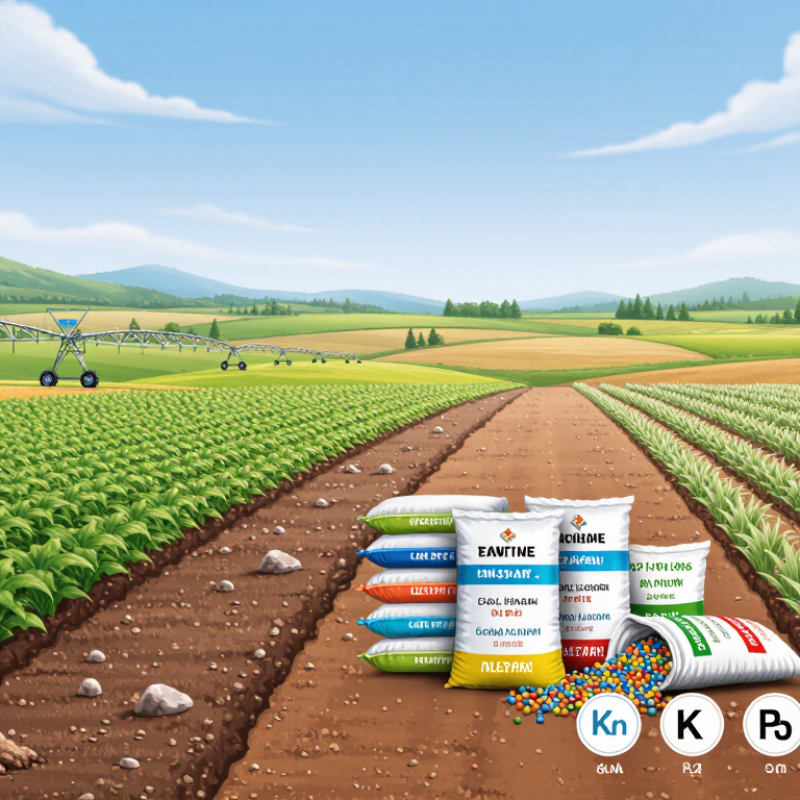
What Is Compound Fertilizer?
Compound fertilizer supplies two or more plant nutrients in a single product. Many types contain nitrogen, phosphorus, and potassium, shown on the label as an N-P-K ratio. A bag marked 10-10-10, for example, contains equal stated percentages of these nutrients by weight. Some formulas also include sulfur or trace elements.
The nutrients may be chemically combined in each granule or mixed from separate fertilizer materials. That difference can affect how evenly nutrients spread, though careful application matters either way.
A handful of granules beside young roots can cause damage. Read the label.
Compound fertilizers are convenient when several nutrients are needed together. But a balanced ratio is not automatically right for every garden or crop. Soil, plant type, growth stage, and local conditions all influence what is useful.
A soil test gives better guidance than guessing from leaf color alone. I have seen gardeners choose a formula because the numbers looked reassuring; that is understandable, but it can add nutrients the soil already has. Not always.
Check the recommended rate, apply evenly, and avoid letting granules sit against stems or foliage.
How Compound Fertilizers Are Made and Classified
What Is Compound Fertilizer and Which Type Is Best?
Compound fertilizer supplies two or more primary nutrients in one product. Manufacturers make it by chemically reacting nutrient ingredients, then granulating and drying the material. Another route is physical blending: separate fertilizer granules are mixed to create a uniform batch. The difference matters. A bag labeled 15-15-15 lists nitrogen, phosphate, and potash percentages by weight, but blended granules may not contain every nutrient individually.
Classification usually follows nutrient content and production method. Binary fertilizers contain two primary nutrients; NPK grades contain all three. Complex fertilizers are chemically produced, while bulk blends combine finished granules. Products may also include sulfur or micronutrients. FAO’s 2022 fertilizer outlook projected global nutrient demand to rise from 191.8 million tonnes in 2020 to 208.5 million tonnes by 2026. That scale makes accurate nutrient labeling and even distribution important. Still, a higher analysis is not automatically a better fit for every soil.
Tips: Match the grade to a soil test and crop needs. Check whether granules look consistent in size; uneven particles can separate during handling. Read the label carefully. I’ve found that choosing by familiar numbers alone is tempting, but it can leave a field short of a nutrient it actually needs.
Source: FAO, World Fertilizer Trends and Outlook to 2026.
What Nutrients Do Compound Fertilizers Provide?
Compound fertilizers combine two or more plant nutrients in one granule. Their main nutrients are nitrogen (N), phosphorus, and potassium (K), commonly shown as N-P-K on the label. The middle and final numbers usually represent phosphate and potash equivalents, not pure phosphorus and potassium.
Nitrogen supports leafy growth
Phosphorus helps roots and energy transfer
Potassium supports water regulation and stress tolerance.
IFA’s 2024 Medium-Term Fertilizer Outlook estimated global fertilizer consumption at 192.5 million tonnes of nutrients in 2023. That figure covers nitrogen, phosphate, and potash, showing how central these nutrients are to crop production.
Some compound blends also supply sulfur, calcium, magnesium, or trace elements such as zinc. The exact mix matters: a lawn, tomato bed, and grain field do not have identical needs. A tidy N-P-K ratio can still mislead if the soil already has enough phosphorus.
Tips: Read the full nutrient analysis, then compare it with a soil test and the crop’s needs. Watch for small print. Overapplying a balanced blend may add nutrients your plants do not need, while leaving a real deficiency untreated.
Which Compound Fertilizer Type Fits Different Crops?
What Is Compound Fertilizer and Which Type Is Best?
Which Compound Fertilizer Type Fits Different Crops?
The best compound fertilizer depends on the crop, soil, and growth stage. NPK numbers show the percentages of nitrogen, phosphorus, and potassium by weight; they are not a universal recipe. Leafy greens often need reliable nitrogen for leaf growth, but excess can produce soft, overly lush leaves. A balanced blend may suit them when soil tests show no major nutrient shortage. Check the bed before spreading. Guessing can waste nutrients.
Fruiting crops such as tomatoes often benefit from adequate potassium as fruits develop, while extra nitrogen may encourage foliage instead. Root crops like carrots generally need restrained nitrogen and well-prepared soil; too much nitrogen can favor tops over roots.
For cereals, nutrient demand shifts through the season, so a suitable blend and timing depend on local soil and crop guidance. No single ratio fits every field. That sounds obvious, yet it is easy to overlook when bags display simple numbers.
Follow label directions, keep granules away from seeds and stems, and water them in when appropriate. Recheck crop growth and soil results rather than repeating last season’s dose automatically.
How to Choose and Apply Compound Fertilizer Safely
What Is Compound Fertilizer and Which Type Is Best?
Compound fertilizer supplies two or more plant nutrients in one product. The N-P-K numbers show the percentages of nitrogen, phosphate, and potash by weight. A 10-10-10 blend is not automatically better than a lower-numbered mix; the right choice depends on soil results and crop needs. FAO’s 2022 World Fertilizer Trends report estimated global fertilizer nutrient use at 191.5 million tonnes in 2020. That scale makes accurate, measured application important.
Start with a soil test, then compare its recommendations with the fertilizer label. USDA Natural Resources Conservation Service Standard 590 advises planning nutrient rates, timing, and placement around crop needs and site conditions. Apply only the recommended amount, using a calibrated spreader; overlapping passes can leave dark, overfed stripes across a lawn or field. Keep fertilizer off sidewalks and away from storm drains. Avoid application before heavy rain, which can wash nutrients into waterways. Small steps matter.
Wear gloves and follow the label’s handling and storage directions. Keep the product dry and secured from children and pets. Water it in only when the label and local conditions call for it. Even careful plans can miss the mark when soil varies across a plot, so treat test results as guidance, not a perfect map. Recheck soil periodically rather than adding more by habit.